Hvilke innovative design former det moderne lekerommet?
Gone are the days of a simple, static shed in the corner of the garden. Today’s outdoor cubby house is undergoing a design revolution, transforming from a basic play structure into a sophisticated hub for development, sustainability, and interactive fun. Modern architects and child development experts are reimagining the humble childrens cubby house, integrating cutting-edge concepts that cater to contemporary values of flexibility, environmental responsibility, and digital-native engagement. So, what exactly sets these new designs apart?
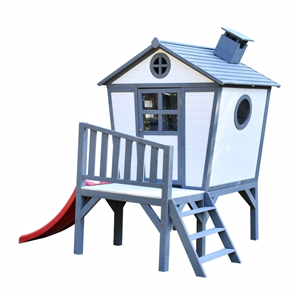
The most significant shift is towards modularity. The traditional, fixed wooden cubby house is making way for dynamic, adaptable systems. Think customizable panels, interchangeable roofs (flat for a sun deck, pitched for a classic look), and add-on modules like slides, climbing walls, or extended verandas. This design philosophy allows the cubby house to evolve with the child. A toddler’s safe enclosed space can, over the years, morph into a more open social clubhouse for pre-teens. For parents, this means a long-term investment that avoids obsolescence. The modular outdoor cubby house is not just a toy; it's a scalable playspace that grows alongside its young owners.
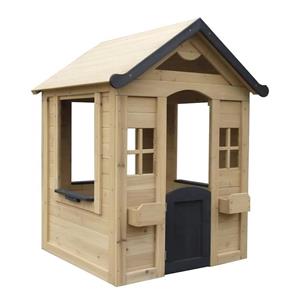
Parallel to this is a profound commitment to eco-friendly materials. While the classic wooden cubby house remains beloved, the focus is now on sustainably sourced timber, often bearing FSC (Forest Stewardship Council) certification. Furthermore, we see the use of recycled plastic composites for decking and certain panels, offering durability without the need for chemical treatments. Non-toxic, water-based stains and paints are standard, ensuring the outdoor cubby is safe for children and the planet. Some avant-garde designs even incorporate living roofs planted with sedum, which insulates the structure, manages rainwater, and provides a mini-habitat for insects, turning the childrens cubby house into a practical lesson in ecology.
Perhaps the most intriguing evolution is the thoughtful integration of smart interactive elements. This isn't about plastering screens on the walls. Instead, it’s about subtle tech that enhances imaginative play. Imagine a cubby house with built-in, weather-resistant speakers for a child’s own dddhhhradio station,dddhhh or safe, low-voltage LED lighting systems that can be controlled via a child-friendly switch or even a simple crank for teaching cause-and-effect. Some high-concept designs include interactive panels with movable parts that trigger sounds or incorporate chalkboard and whiteboard surfaces for endless creativity. The goal is to blend the tactile, physical world of the wooden cubby house with prompts for digital-era storytelling, all without compromising the essential, screen-free sanctuary an outdoor cubby house should provide.
Safety, of course, remains paramount, but design is making it smarter. Rounded edges, secure but easy-to-operate latches, and ventilated designs are now seamlessly incorporated into the aesthetic. The modern outdoor cubby is both a fortress and an open invitation.
The contemporary cubby house is a marvel of intentional design. It answers the call for adaptable longevity through modularity, addresses environmental consciousness with premium eco-materials, and engages a new generation through intuitive, smart interactions. It demonstrates that a childrens cubby house is no longer an afterthought but can be a centerpiece of garden design that actively supports cognitive, social, and physical development. Whether a classic wooden cubby house with a sustainable twist or a modular tech-enhanced haven, today’s designs prove that the most magical playspaces are those built with both the child and the future in mind.
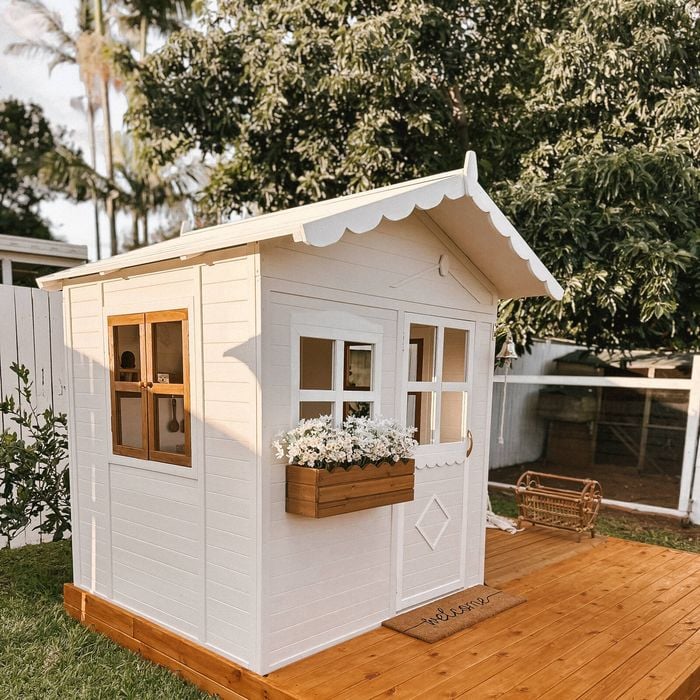
outdoor cubby
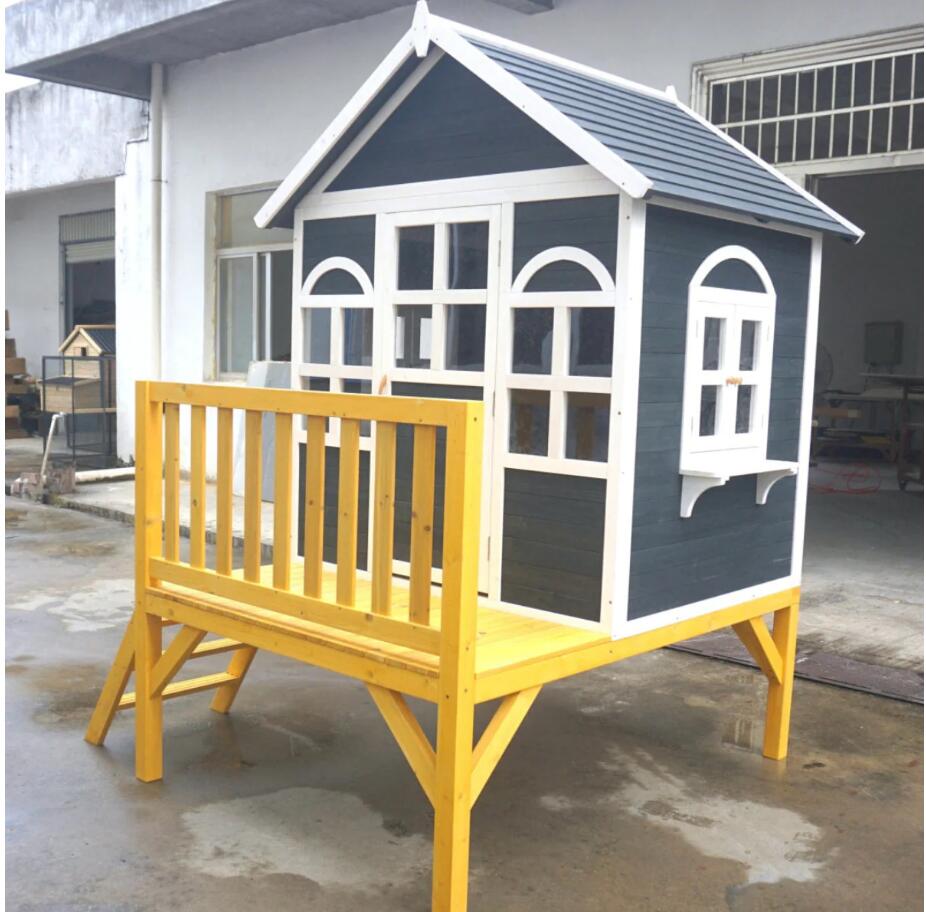
wooden cubby house
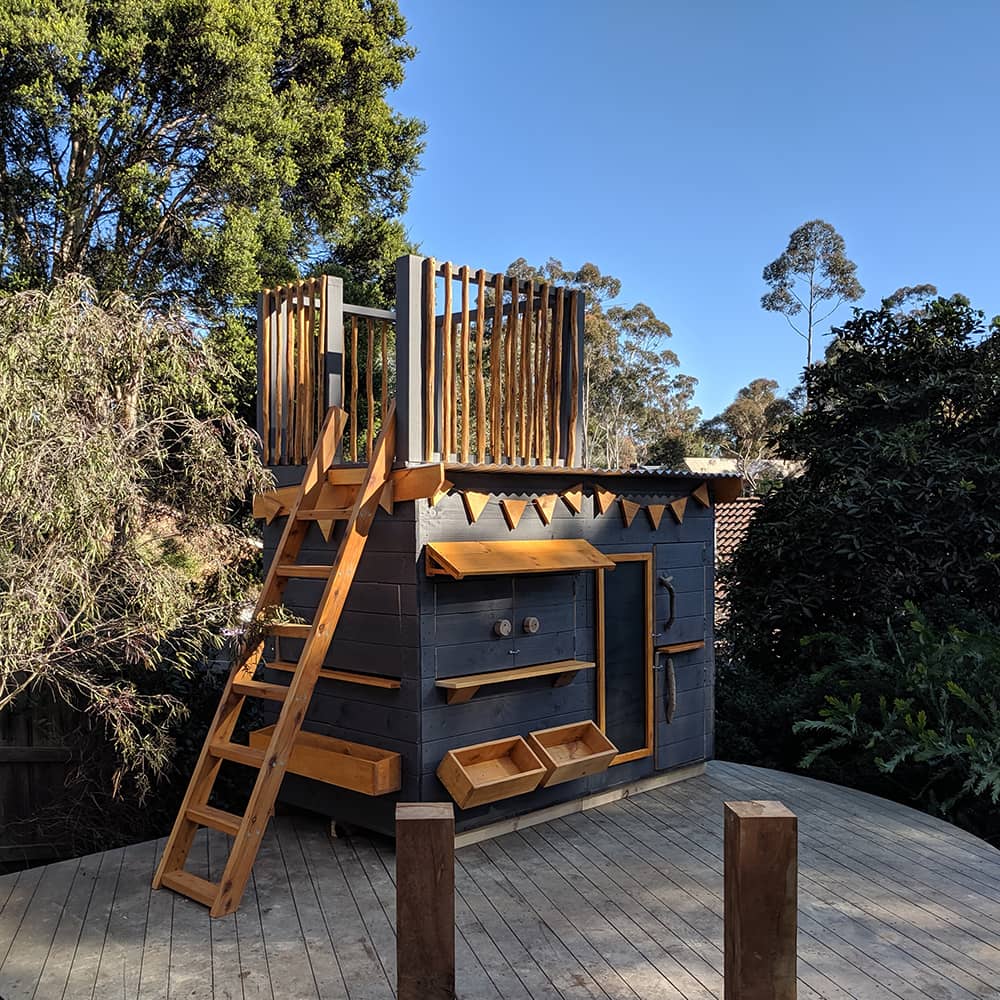
outdoor cubby house
childrens cubby house